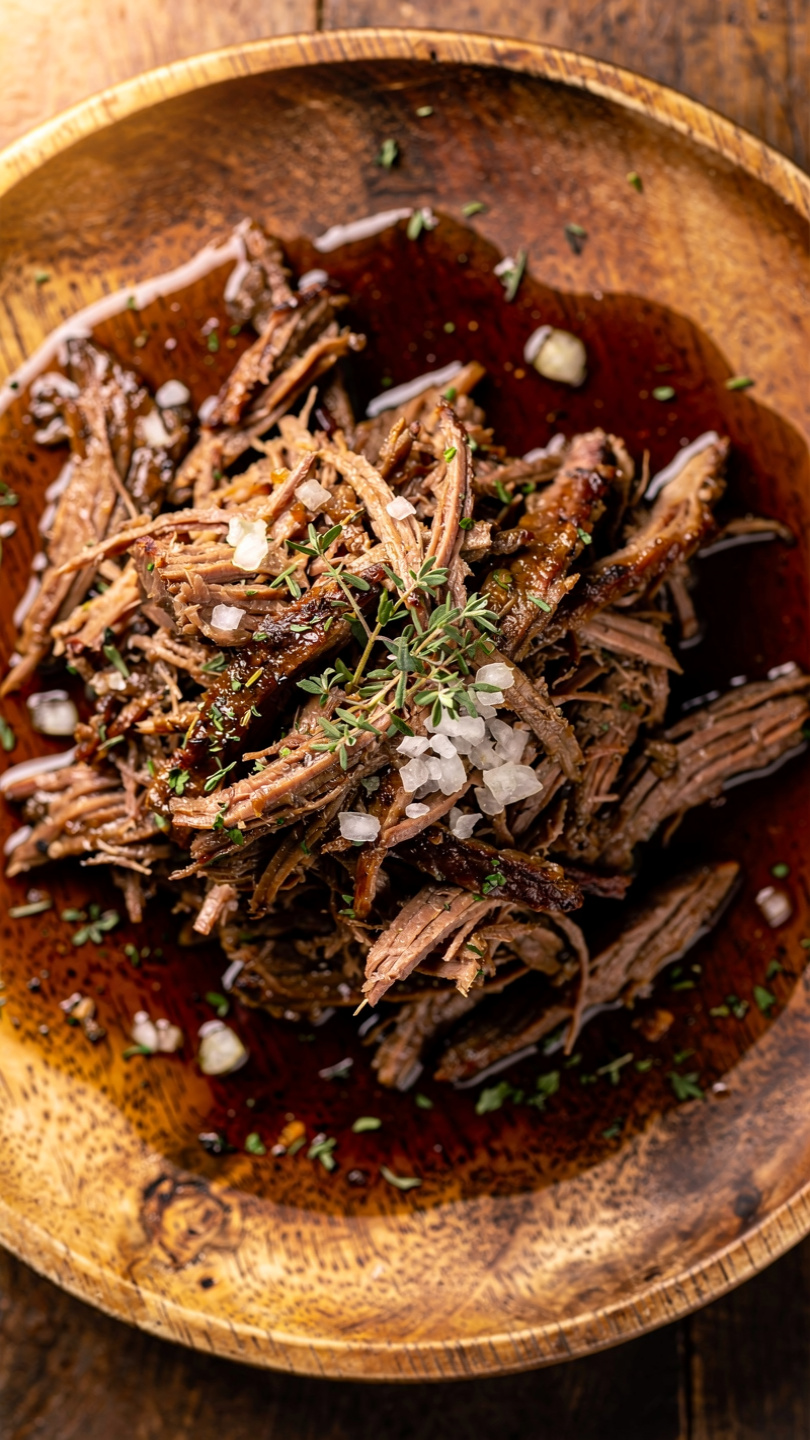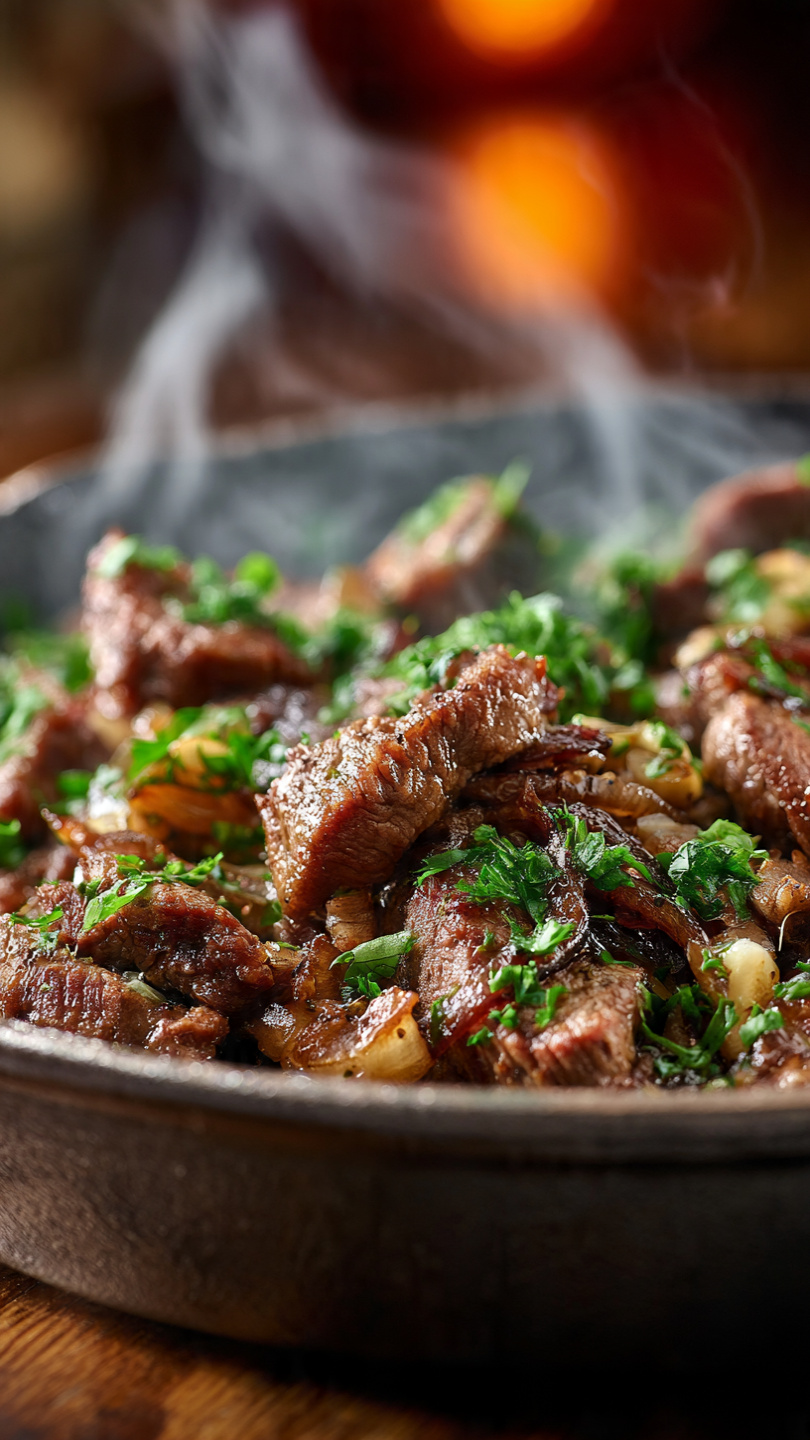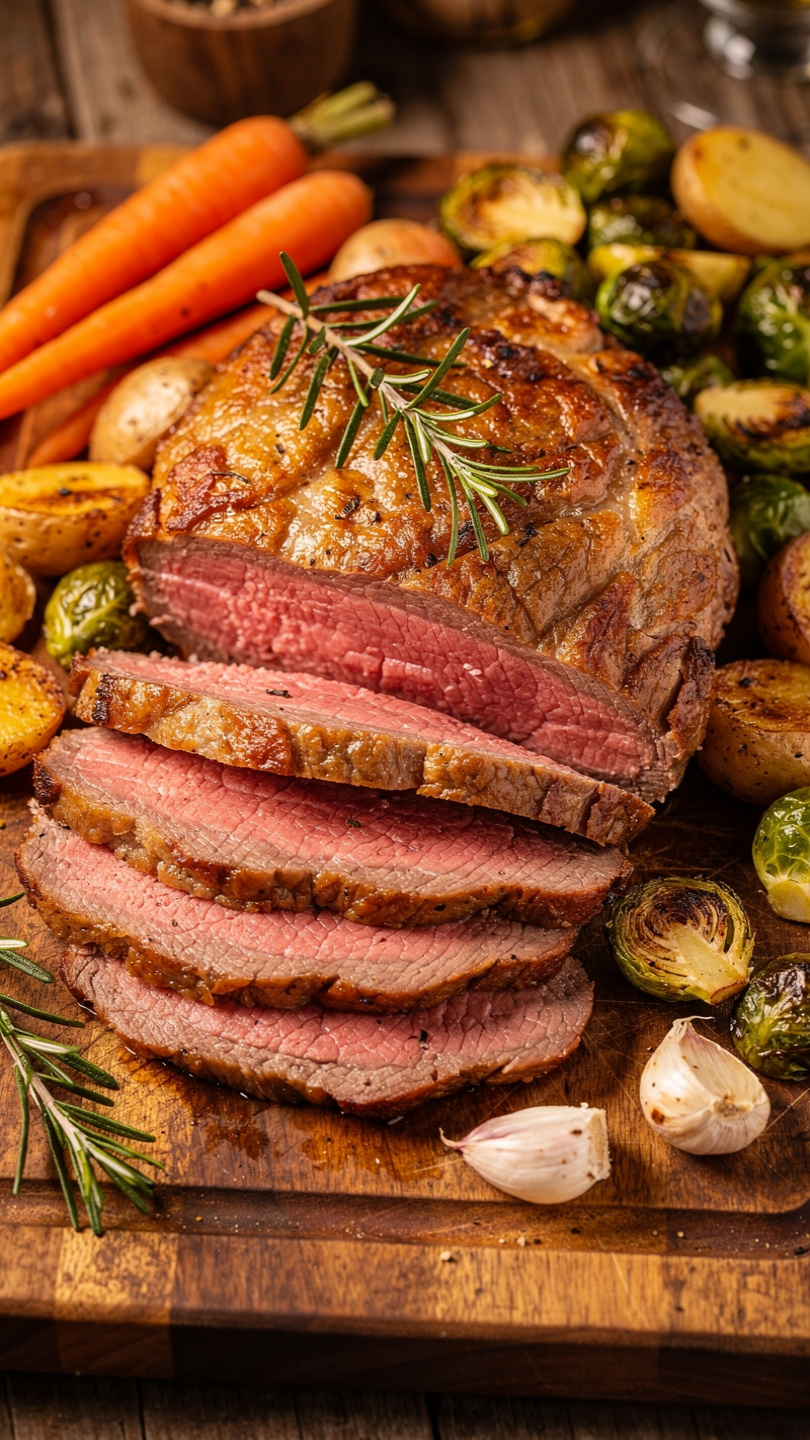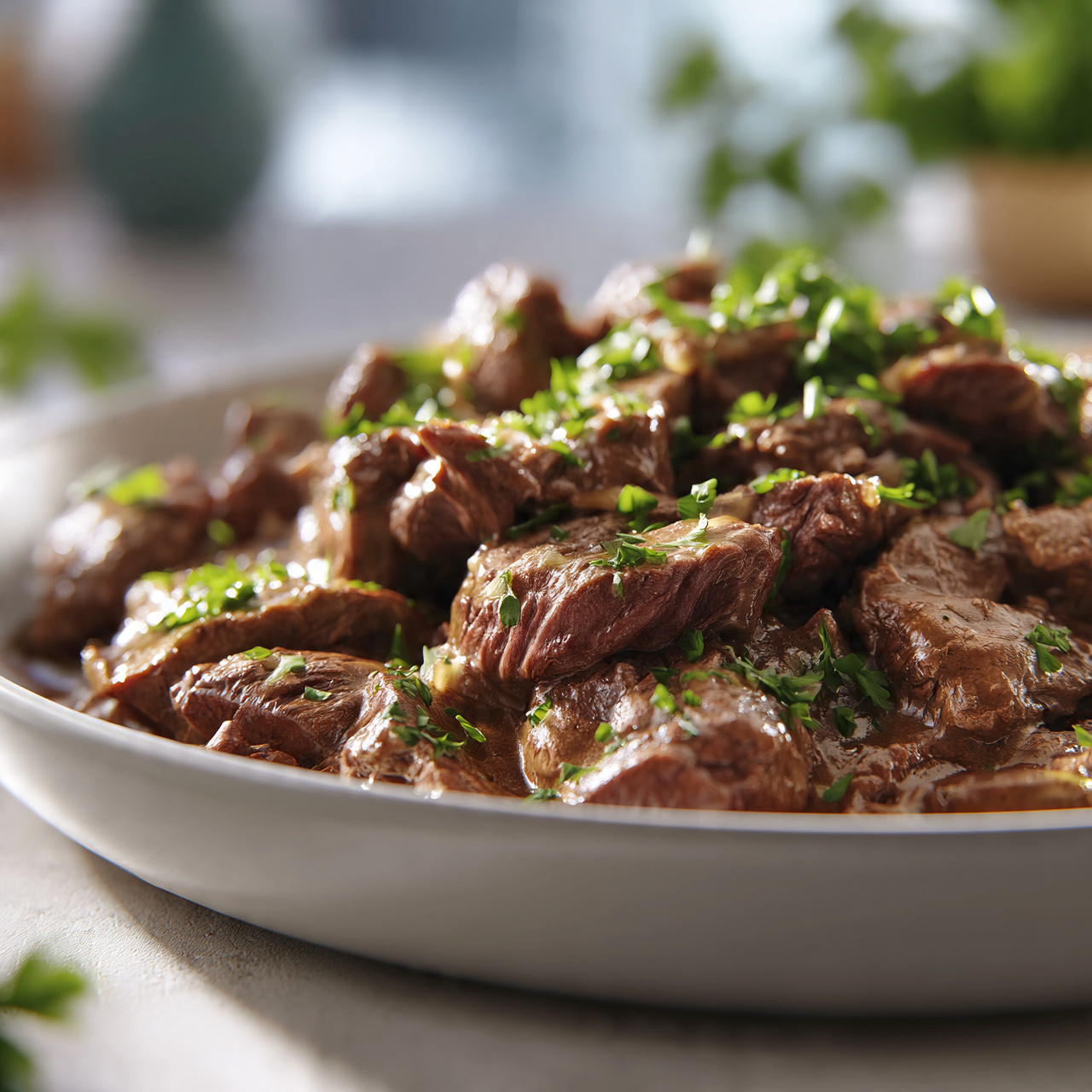
Perfect Oven-Roasted Beef Tenderloin Recipe
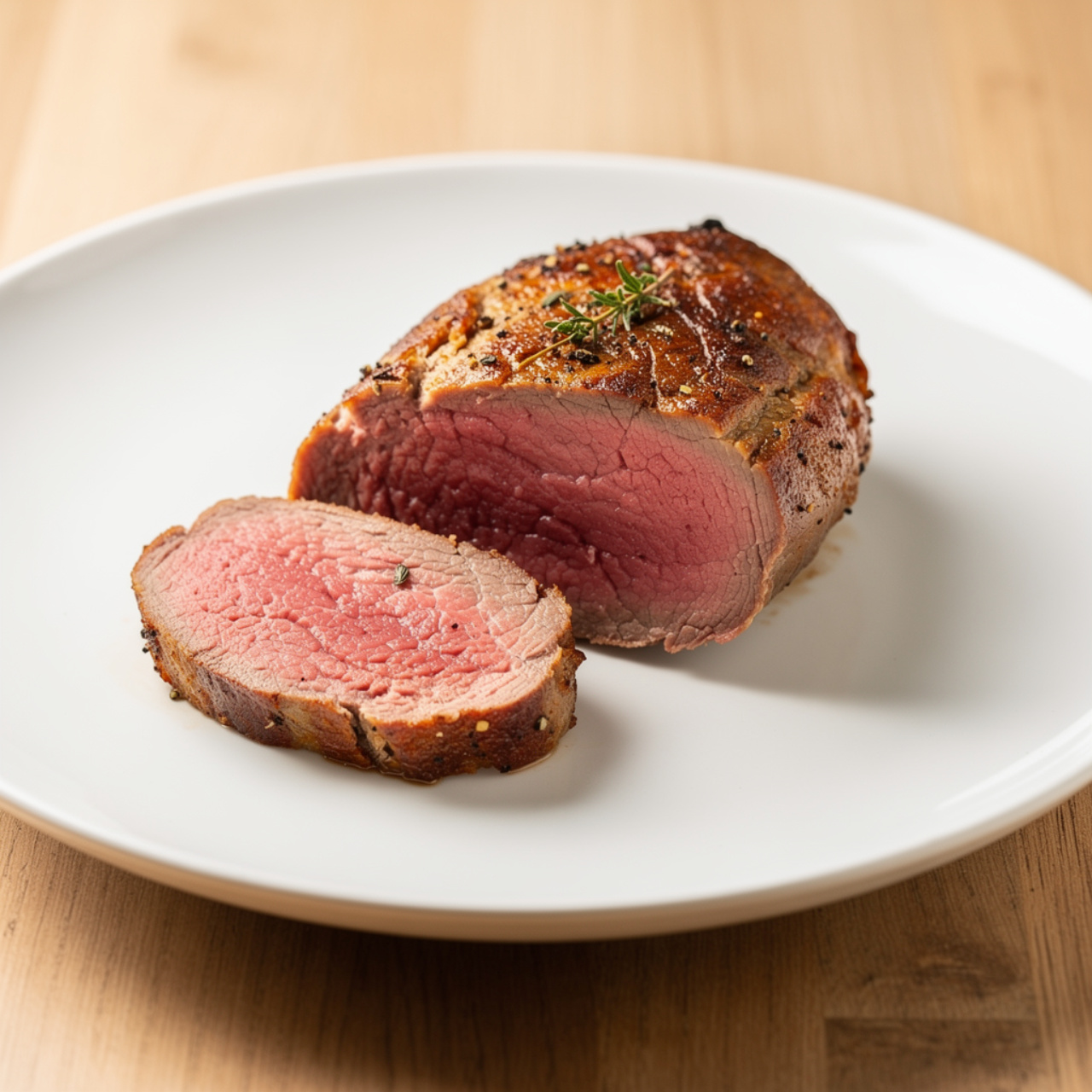
This oven-roasted beef tenderloin delivers a perfectly seared, herb-crusted exterior with a buttery, melt-in-your-mouth center every single time. The ultimate showstopping roast for holidays, dinner parties, or any special occasion.

The Roast That Stops the Room
There are dinners, and then there is beef tenderloin. Few cuts command the same kind of reverence at the table. It is the roast that makes guests put down their phones, the centerpiece that earns a round of applause before anyone has even tasted a bite. And the best part? With the right technique, an oven-roasted beef tenderloin is genuinely achievable on a home kitchen stove.
This recipe walks you through a whole tenderloin roast in the oven, delivering a peppery, garlicky herb crust over the silkiest, most tender beef you have ever sliced. Whether you call it a prime tenderloin roast, a filet mignon roast, or simply "the good one," this method is the one you will reach for every holiday season and special occasion from here on out.
Getting the most out of a premium cut like this comes down to two things: quality beef and the right tools. A heavy cast iron skillet for searing and a reliable instant-read thermometer are genuinely non-negotiable here.
Why This Oven-Baked Beef Tenderloin Recipe Works
A lot of roasted beef tenderloin recipes overcomplicate things. This one strips it back to the fundamentals that actually matter.
- Room temperature beef cooks evenly from edge to center, so you get wall-to-wall pink instead of a grey ring.
- The herb butter paste acts like a flavorful shell, similar to the concept behind a salt-baked beef tenderloin but with far more aromatic depth.
- A screaming hot sear before the oven builds the kind of dark, crackling crust that keeps every drop of juice locked inside.
- Resting the meat is the single step most home cooks skip, and it is the one that makes the biggest difference.
Chef's Tip: Pat the tenderloin bone dry before applying any seasoning. Moisture on the surface is the enemy of a good crust. The drier the surface, the better the sear.
The Seasoning: Building Real Beef Tenderloin Seasoning
This is not a recipe that needs a long list of exotic spices. The goal of great beef tenderloin seasoning is to enhance the natural richness of the meat, not mask it.
The combination of fresh rosemary, thyme, garlic, cracked pepper, Dijon mustard, and softened butter creates a paste that caramelizes beautifully in the oven. The mustard acts as a binder and adds a subtle tang that balances the richness of the filet mignon roast.
For an even bolder result, salt the roast the night before and leave it uncovered in the refrigerator. This simple dry-brine technique draws moisture to the surface and then reabsorbs it, seasoning the meat all the way through.
Getting the Temperature Right
This is where most oven baked beef tenderloin recipes succeed or fail. Because the tenderloin is so lean, it has very little margin for error.
- 125 degrees F at rest: Medium-rare, rosy pink all the way through. This is the sweet spot.
- 135 degrees F at rest: Medium, with just a hint of pink in the center.
- 145 degrees F and above: The meat begins to lose its characteristic tenderness.
Always pull the roast 5 to 10 degrees before your target, tent it with foil, and let carryover cooking finish the job.
Ready to make the most impressive roast of your life? Here is the complete step-by-step recipe:
Perfect Oven-Roasted Beef Tenderloin Recipe
This oven-roasted beef tenderloin delivers a perfectly seared, herb-crusted exterior with a buttery, melt-in-your-mouth center every single time. The ultimate showstopping roast for holidays, dinner parties, or any special occasion.
Ingredients
- 3 lb beef tenderloin roast, center-cut, trimmed of silver skin and tied with kitchen twine
- 2 tsp kosher salt, or flaky sea salt for a salt-baked crust effect
- 1 1/2 tsp black pepper, freshly cracked
- 5 garlic, cloves, minced
- 2 tbsp fresh rosemary, finely chopped
- 1 tbsp fresh thyme, finely chopped
- 3 tbsp olive oil, divided
- 3 tbsp unsalted butter, softened
- 1 tbsp Dijon mustard, adds depth and helps seasoning adhere
Instruction
Remove the beef tenderloin from the refrigerator at least 45 minutes before cooking to allow it to come to room temperature. Pat it completely dry with paper towels.
Preheat your oven to 425 degrees F (220 degrees C). Place an oven-safe skillet or roasting pan in the oven while it preheats.
In a small bowl, combine the minced garlic, chopped rosemary, chopped thyme, softened butter, Dijon mustard, 1 tablespoon of olive oil, salt, and black pepper. Mix into a smooth herb paste.
Rub the entire surface of the tenderloin with the remaining 2 tablespoons of olive oil, then coat it thoroughly and evenly with the herb butter paste.
Carefully remove the hot skillet from the oven and place it on the stovetop over high heat. Sear the tenderloin on all sides for 2 to 3 minutes per side until a deep brown crust forms.
Transfer the skillet to the preheated oven and roast for 20 to 25 minutes, or until an instant-read thermometer inserted into the thickest part reads 125 degrees F (52 degrees C) for medium-rare, or 135 degrees F (57 degrees C) for medium.
Remove the roast from the oven and tent it loosely with aluminum foil. Rest for 10 to 15 minutes before slicing. This step is non-negotiable for a juicy result.
Remove the kitchen twine, slice into 1-inch medallions, and serve immediately with your choice of sauce or pan drippings.
Equipment
- Oven-safe cast iron skillet or heavy roasting pan
- Instant-read meat thermometer
- Kitchen twine
- Cutting board
- Sharp carving knife
- Small mixing bowl
- Aluminum foil
- Paper towels
Notes
Serving and Storing Your Tenderloin Roast
Slice the rested roast into generous 1-inch medallions, essentially individual filet mignon portions, and arrange them on a warm platter. A drizzle of the pan drippings, a spoonful of horseradish cream, or a simple red wine reduction alongside turns this into a restaurant-worthy plate.
Leftovers, if you are lucky enough to have any, are spectacular served cold over arugula with a sharp vinaigrette, or gently rewarmed in a skillet with a splash of broth. This is one of those rare recipes where the leftovers are almost as exciting as the original dinner.