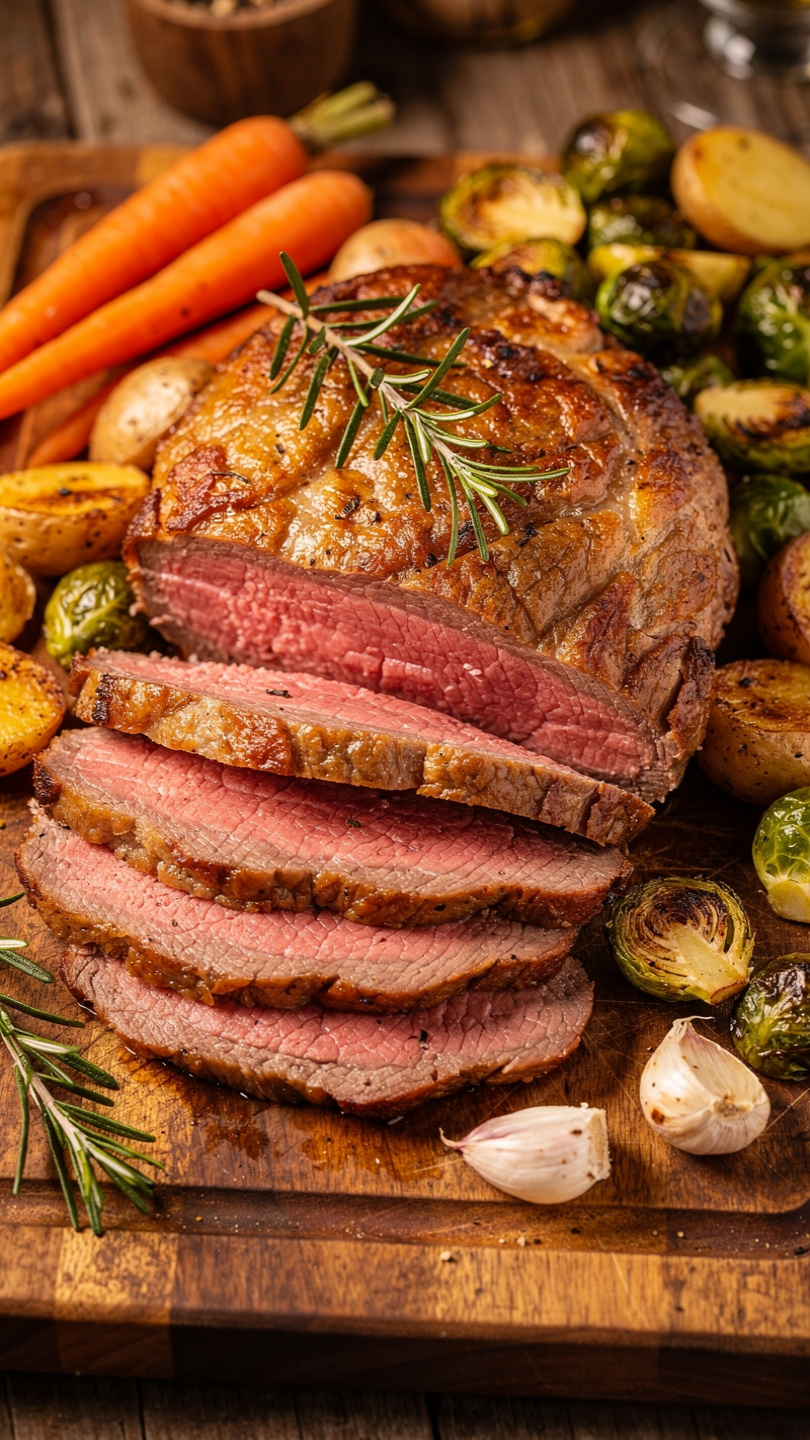
Perfect Roast Beef Recipe
Learn how to cook the perfect roast beef with a deeply seasoned crust, juicy pink center, and foolproof technique that works every time. This is the only roast beef recipe you will ever need.

The Roast Beef Recipe Worth Making Every Sunday
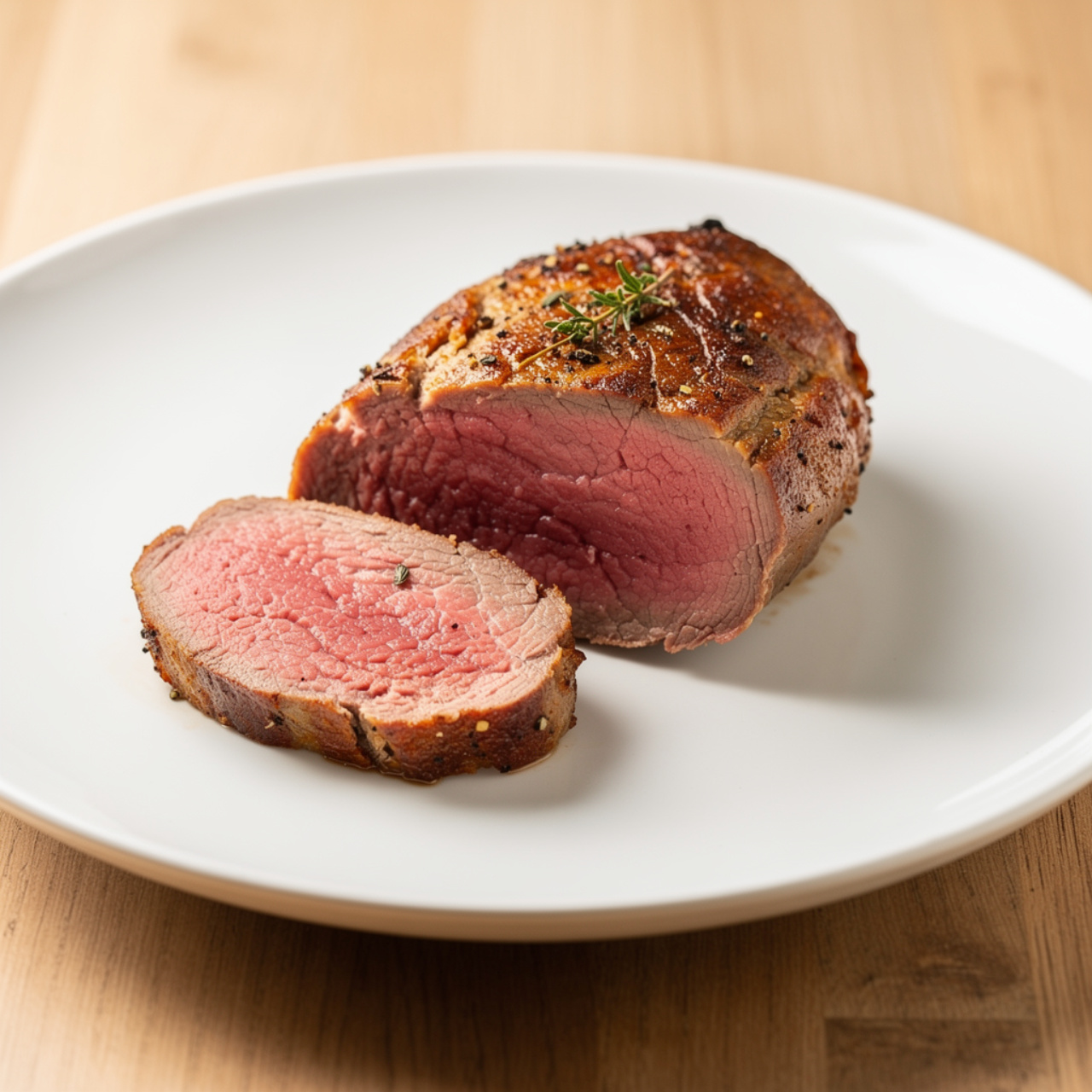
There is something deeply satisfying about a perfect roast beef sitting at the center of the table. The crust is dark and herby, the inside is blushing pink and incredibly juicy, and the whole kitchen smells like something your grandmother would have made on a special occasion. This is that recipe.
Whether you are searching for the best way to cook roast beef for a holiday gathering, a Sunday family dinner, or simply because you want to master one of the great classics, this guide walks you through everything from choosing the best meat for roast beef to nailing the perfect internal temperature every single time.
Why This Recipe Works
A lot of roast beef recipes overcomplicate things or skip the details that actually matter. This one does not. Here is what makes the difference:
- High heat first, then low and slow. Blasting the roast at 450 degrees F for 15 minutes creates an incredible savory crust, while finishing at 325 degrees F keeps the interior tender and rosy.
- The herb and mustard paste. Dijon mustard acts as a binder and adds a subtle tang that you will not even identify but will absolutely miss if it is gone.
- Resting the meat. Non-negotiable. Slicing too soon is the number one reason roast beef turns out dry.
Chef's Tip: If you have time, season the roast the night before and leave it uncovered in the fridge. This dry-brine method draws out just enough moisture to create a phenomenal crust and deeply seasoned meat.
How To Season Beef For Roasting
The seasoning here is built around bold, simple flavors that complement beef without competing with it. Garlic, rosemary, and thyme are the backbone. Smoked paprika adds a subtle warmth and helps the crust color beautifully. A small spoonful of Dijon mustard ties it all together.
Mix everything into a paste with olive oil and rub it all over the surface of the beef. Really press it in. Do not be shy.
Having the right tools genuinely elevates this recipe. A sturdy roasting pan with a rack lifts the beef so heat circulates evenly underneath, and a reliable instant-read thermometer is the single best investment you can make for cooking tender roast meat perfectly every time.
Choosing the Best Cut of Beef
Not all cuts behave the same in the oven. Here is a quick breakdown to help you pick:
- Ribeye roast: The most flavorful and tender option thanks to rich marbling. Best for special occasions.
- Top round roast: Leaner and more affordable. Great for weeknight roasting when sliced thin.
- Eye of round: Very lean with a mild flavor. Benefits most from the high-heat sear and careful temperature monitoring.
For the juiciest, most impressive result, ribeye is the clear winner. For an everyday roast beef how to cook situation on a budget, top round delivers excellent results.
Note: Whatever cut you choose, look for even shaping and good color. If the roast is uneven in thickness, tie it with kitchen twine so it cooks at a consistent rate.
How To Roast Beef Perfectly: The Temperature Guide
The internal temperature is everything. Use an instant-read thermometer and pull the roast when it hits:
- Rare: 120 to 125 degrees F
- Medium-rare: 130 to 135 degrees F (the sweet spot for most cuts)
- Medium: 140 to 145 degrees F
- Well done: 155 degrees F and above (not recommended for most cuts)
Remember, the internal temperature will rise another 5 to 10 degrees as the meat rests under foil. Always pull it slightly before your target.
Ready to bring it all together? Here is the full step-by-step recipe:
Perfect Roast Beef Recipe
Learn how to cook the perfect roast beef with a deeply seasoned crust, juicy pink center, and foolproof technique that works every time. This is the only roast beef recipe you will ever need.
Ingredients
- 3 lb beef top round or ribeye roast, tied with kitchen twine if uneven
- 2 tbsp olive oil, extra virgin
- 4 garlic cloves, minced
- 2 tbsp fresh rosemary, finely chopped
- 1 tbsp fresh thyme, finely chopped
- 2 tsp kosher salt, or to taste
- 1 tsp black pepper, freshly cracked
- 1 tsp smoked paprika
- 1 tbsp Dijon mustard, whole grain works beautifully too
- 1/2 cups beef broth, for the roasting pan
- 2 tbsp unsalted butter, for basting
Instruction
Remove the roast from the refrigerator at least 1 hour before cooking to bring it to room temperature. This is essential for even cooking.
Preheat your oven to 450 degrees F (230 degrees C).
In a small bowl, combine the olive oil, minced garlic, rosemary, thyme, smoked paprika, Dijon mustard, salt, and black pepper. Mix into a thick paste.
Pat the roast completely dry with paper towels. Rub the herb paste all over the surface of the beef, pressing it firmly into every crevice.
Place the roast fat-side up on a rack set inside a roasting pan. Pour the beef broth into the bottom of the pan.
Roast at 450 degrees F (230 degrees C) for 15 minutes to develop a deep, golden-brown crust.
Reduce the oven temperature to 325 degrees F (165 degrees C) and continue roasting. For medium-rare, cook until an instant-read thermometer inserted in the thickest part reads 130 to 135 degrees F (54 to 57 degrees C), approximately 60 to 75 minutes more depending on the size of the roast.
Halfway through the lower-temperature roast, baste the beef with the melted butter and pan drippings for extra richness.
Once the desired internal temperature is reached, remove the roast from the oven and tent loosely with foil. Rest for at least 20 minutes before slicing. Do not skip this step.
Slice thinly against the grain and serve with the pan drippings spooned over the top.
Equipment
- Roasting pan with rack
- Instant-read meat thermometer
- Small mixing bowl
- Basting brush
- Aluminum foil
- Sharp carving knife
- Cutting board
Notes
What To Have With Roast Beef
A roast this good deserves equally good company. Some of the best sides include:
- Crispy roasted potatoes cooked in the same pan drippings
- Classic Yorkshire pudding if you are leaning into a British Sunday roast
- Horseradish cream sauce for a sharp, cooling contrast to the rich beef
- Roasted carrots and parsnips for a sweet, earthy counterpoint
- A simple green salad with a sharp vinaigrette to cut through the richness
Do not forget to make a quick pan gravy from the drippings. Pour off most of the fat, whisk in a little flour, add beef broth, and simmer for a few minutes. It is one of the best parts of the whole meal.
Storing and Reheating Leftovers
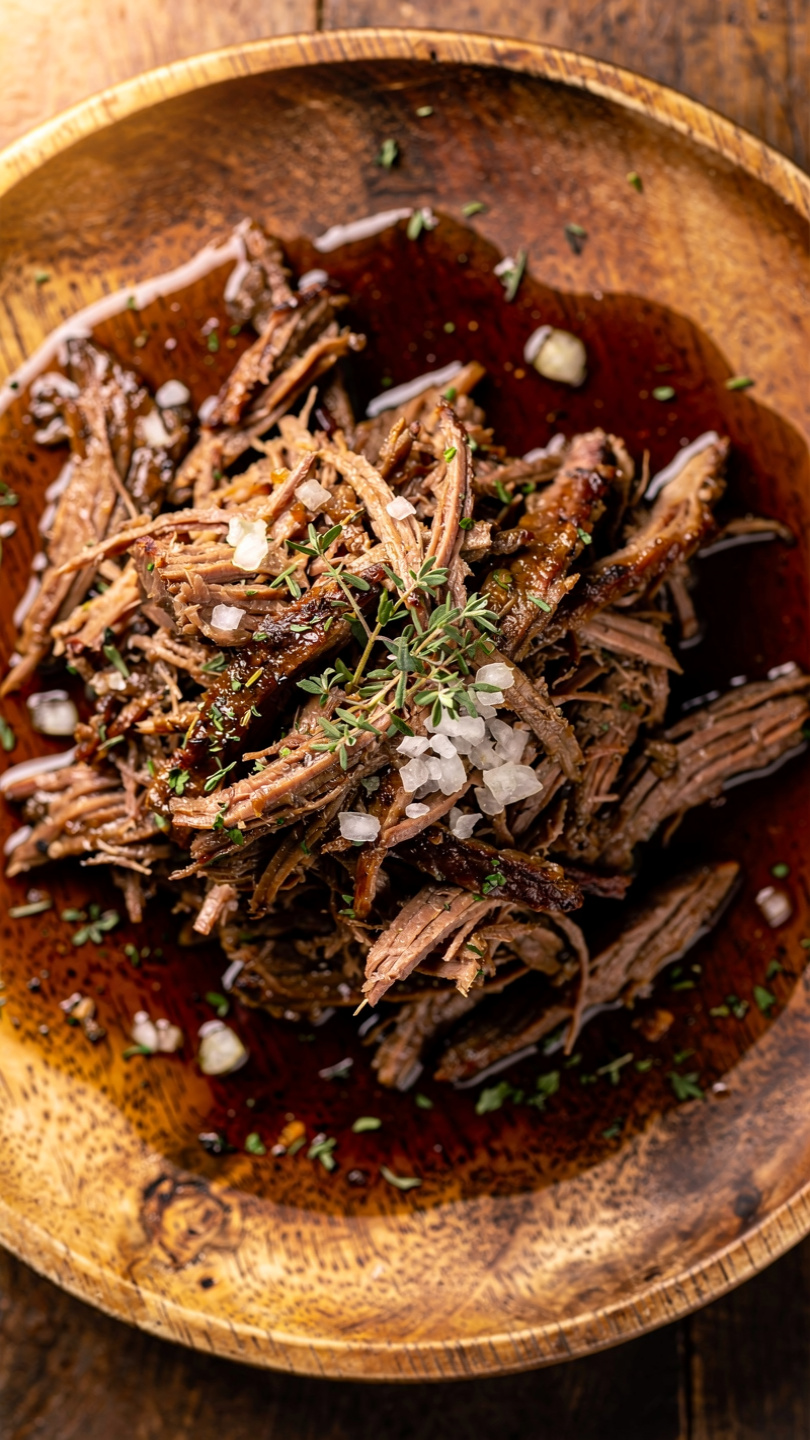
Leftover roast beef might actually be better the next day. Slice it thin, pile it onto crusty bread with horseradish and arugula, or fold it into a hash with roasted potatoes and eggs. Store leftovers in an airtight container in the refrigerator for up to 4 days. Reheat gently in a covered baking dish with a splash of broth at 275 degrees F to keep everything moist and tender.