The Absolute Best Beef Liver and Onions Recipe
Learn how to cook beef liver and onions the right way, with tender, flavorful results every time. This classic organ meat recipe will convert even the biggest skeptics.

The Liver Recipe That Will Make You a Believer
If the words "beef liver" make you instinctively scroll past, stay with me for just a moment. I promise you have never had liver prepared like this. The absolute best liver and onions is not the gray, rubbery, overwhelmingly bitter dish that haunts childhood dinner memories. Done right, it is rich, deeply savory, and genuinely satisfying in a way that few other cuts of meat can match.
Eating beef liver has been a cornerstone of traditional cooking across nearly every culture on earth, and for good reason. It is one of the most nutrient-dense foods available, loaded with iron, B vitamins, and high-quality protein. Organ meat recipes like this one are staging a very well-deserved comeback, and once you nail the technique, you will fully understand why.
Before we get cooking, the right tools and ingredients genuinely make a difference here. A heavy cast iron skillet gives you the high, even heat you need for a proper sear, and using full-fat whole milk for the soak pulls bitterness out in a way that nothing else quite replicates.
Why This Recipe Actually Works
Most people who claim to hate liver have only ever had it overcooked. That is the entire secret. Beef liver should be cooked quickly over high heat and served just barely pink in the center. The moment it crosses into well-done territory, the texture turns grainy and the flavor turns harsh. Keep it medium and you get something silky, tender, and almost buttery.
The second game-changer is the milk soak. Soaking your liver slices in whole milk for even 15 minutes before cooking draws out the strong, metallic compounds that give liver its polarizing reputation. It is a simple step that makes an enormous difference in the final flavor.
The third element is the onions. Deeply caramelized onions are not a garnish here, they are a co-star. Their natural sweetness balances the earthiness of the liver in a way that makes every bite feel complete.
Chef's Tip: Do not rush the onions. Cooking them low and slow for nearly 20 minutes is what transforms them from sharp and pungent to mellow, golden, and almost jammy. Crank the heat and you will get soft but pale onions that lack that deep, sweet flavor.
How to Prepare and Cook Beef Liver Like a Pro
Learning how to prepare and cook beef liver properly comes down to three things: the soak, the slice, and the sear.
The Soak: Give your liver slices at least 15 minutes in cold whole milk. An hour is even better if you have the time. Remove them, rinse briefly under cold water, and pat every surface completely dry. Moisture is the enemy of a good sear.
The Slice: Look for slices about half an inch thick. Thinner cuts cook too fast and dry out before you can get a good crust. Thicker cuts are tricky to cook evenly. Also take a moment to trim away any visible white membrane or connective tissue on the edges, as this can cause the slices to curl and cook unevenly in the pan.
The Sear: Get your pan genuinely hot before the liver goes in. You want to hear a strong sizzle the moment it makes contact. Two to three minutes per side, no more. Use tongs rather than a fork to flip, as piercing the liver lets the juices escape.
Wondering about elk liver or other wild game livers? The same technique applies beautifully. Elk liver is often considered even more flavorful and nutrient-rich than beef liver, and it responds to the milk soak just as well.
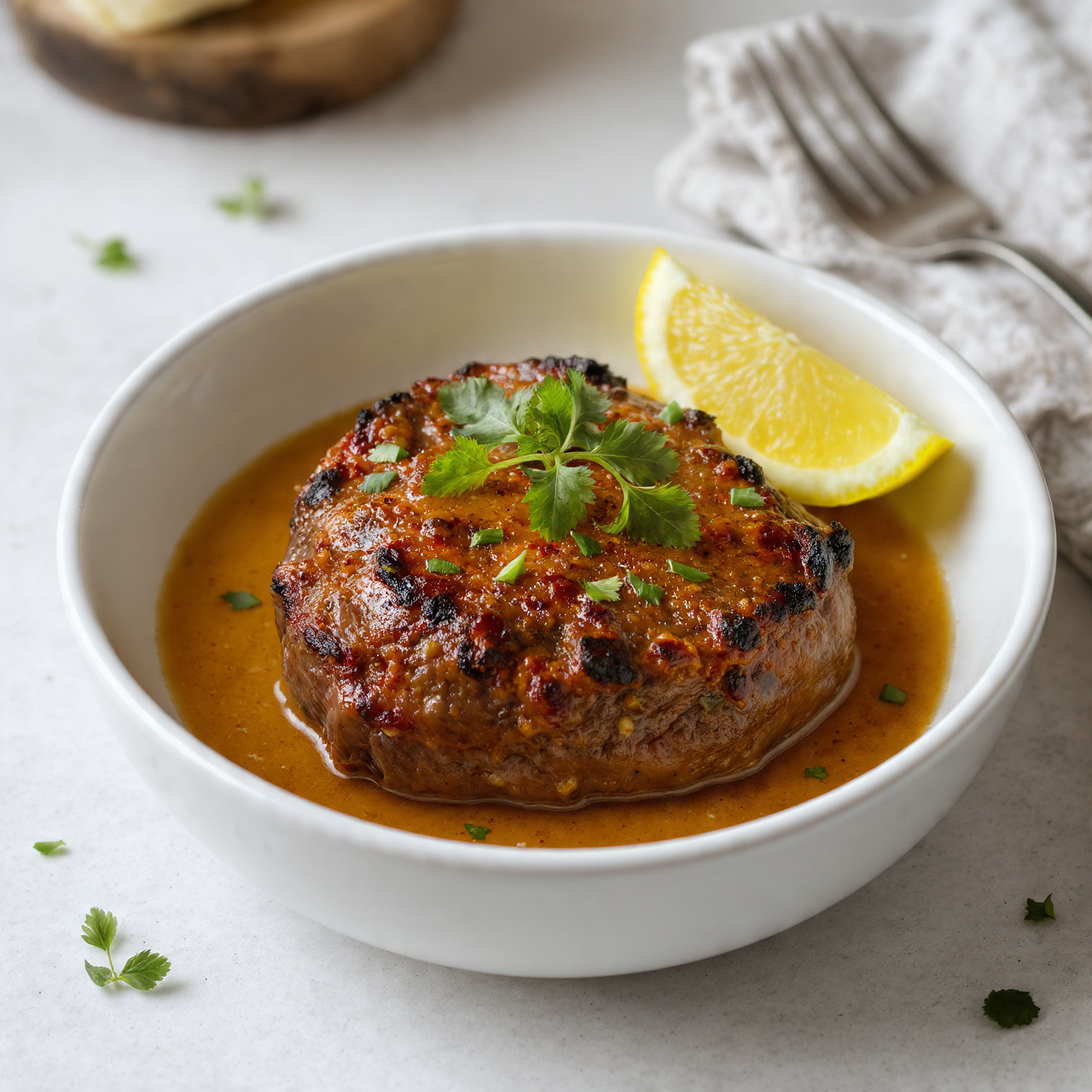
A Bowl of Cooked Liver Deserves a Great Plate
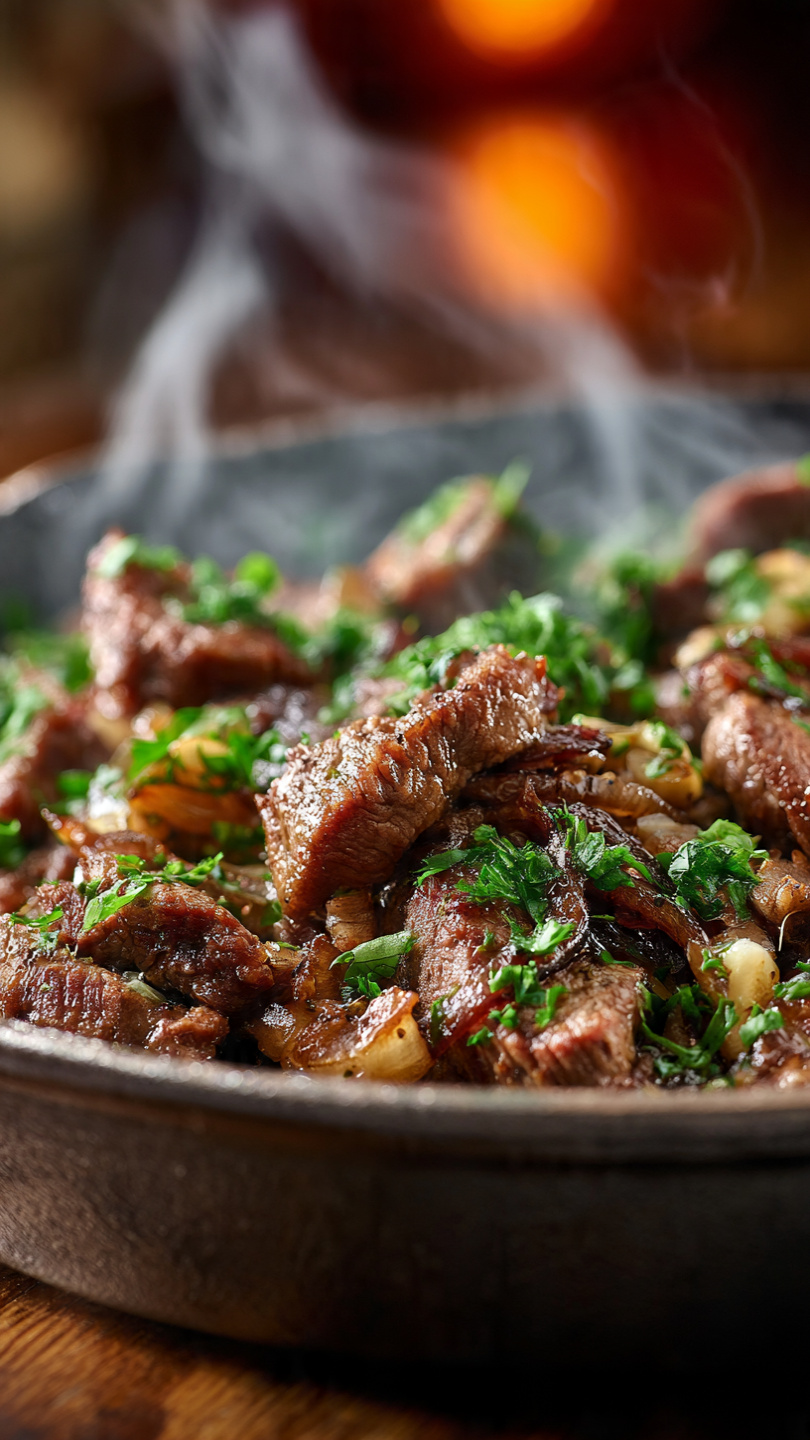
Once you pull that liver from the pan and nestle it back into the caramelized onions with a simple pan sauce made from Worcestershire and beef broth, you have a complete, satisfying plate. Serve it over creamy mashed potatoes to soak up every drop of that sauce, or alongside roasted root vegetables for a heartier meal. A simple green salad with a sharp vinaigrette cuts through the richness beautifully.
If you are cooking for someone who is new to beef organs, this is the recipe to start with. It is familiar enough in presentation and comforting enough in flavor that it tends to win people over even before they know what they are eating.
Ready to give it a proper try? Here is the full step-by-step recipe:
The Absolute Best Beef Liver and Onions Recipe
Learn how to cook beef liver and onions the right way, with tender, flavorful results every time. This classic organ meat recipe will convert even the biggest skeptics.
Ingredients
- 1 1/2 lb beef liver, sliced about 0.5 inch thick, membranes removed
- 1 cup whole milk, for soaking
- 2 large yellow onions, thinly sliced into half-moons
- 1/2 cup all-purpose flour, for dredging
- 3 tbsp unsalted butter, divided
- 2 tbsp olive oil, extra virgin
- 3 garlic cloves, minced
- 1 tsp fresh thyme, leaves only, or 0.5 tsp dried
- 1 tbsp Worcestershire sauce
- 1/4 cup beef broth, low sodium
- 1 tsp kosher salt, plus more to taste
- 1/2 tsp black pepper, freshly cracked
- 2 tbsp fresh flat-leaf parsley, chopped, for garnish
Instruction
Place the sliced beef liver in a shallow dish and pour the milk over it. Let it soak for at least 15 minutes, or up to 1 hour in the refrigerator. This step draws out bitterness and mellows the flavor significantly.
While the liver soaks, heat 1 tablespoon of butter and 1 tablespoon of olive oil in a large heavy skillet over medium-low heat. Add the sliced onions and a pinch of salt.
Cook the onions slowly, stirring occasionally, for 18 to 22 minutes until they are deeply golden, soft, and caramelized. Add the garlic and thyme during the last 2 minutes. Transfer the onions to a plate and cover loosely with foil.
Remove the liver from the milk and pat every slice completely dry with paper towels. Season both sides generously with salt and black pepper.
Spread the flour on a plate and dredge each liver slice lightly, shaking off any excess flour.
Increase the heat to medium-high. Add the remaining butter and olive oil to the same skillet. Once the butter is foaming and hot, add the liver slices in a single layer. Do not crowd the pan.
Cook the liver for 2 to 3 minutes per side. The outside should be browned and slightly crisp while the inside remains just barely pink. Overcooked liver turns grainy and tough, so watch it closely.
Remove the liver to the plate with the onions. Pour the beef broth and Worcestershire sauce into the hot skillet and scrape up any browned bits from the bottom with a wooden spoon.
Let the pan sauce reduce for about 1 minute, then return the onions and liver to the pan. Toss gently to coat everything in the sauce and warm through for 30 seconds.
Transfer to a serving platter, spoon any remaining pan sauce over the top, and garnish with fresh parsley. Serve immediately.
Equipment
- Large heavy skillet or cast iron pan
- Shallow soaking dish
- Tongs
- Wooden spoon or spatula
- Paper towels
- Sharp chef's knife
- Cutting board
Notes
Serving, Storing, and Making It Your Own
This dish is best served the moment it comes off the heat. Liver loses its ideal texture as it sits, so try to have your sides ready before you start cooking the liver itself.
Great serving ideas:
- Creamy mashed potatoes or polenta
- Buttered egg noodles
- Crusty sourdough bread to mop up the pan sauce
- Steamed green beans or roasted asparagus
For leftovers, store the liver and onions together in an airtight container and reheat gently in a skillet with a splash of broth. Avoid the microwave if you can, as the texture suffers.
If you enjoy cooking liver and onions and want to branch out, try this same method with chicken livers for a quicker weeknight version, or experiment with elk liver from your next hunt. The technique travels beautifully across all organ meat recipes, and once it is in your rotation, you will wonder how you ever overlooked this cut.