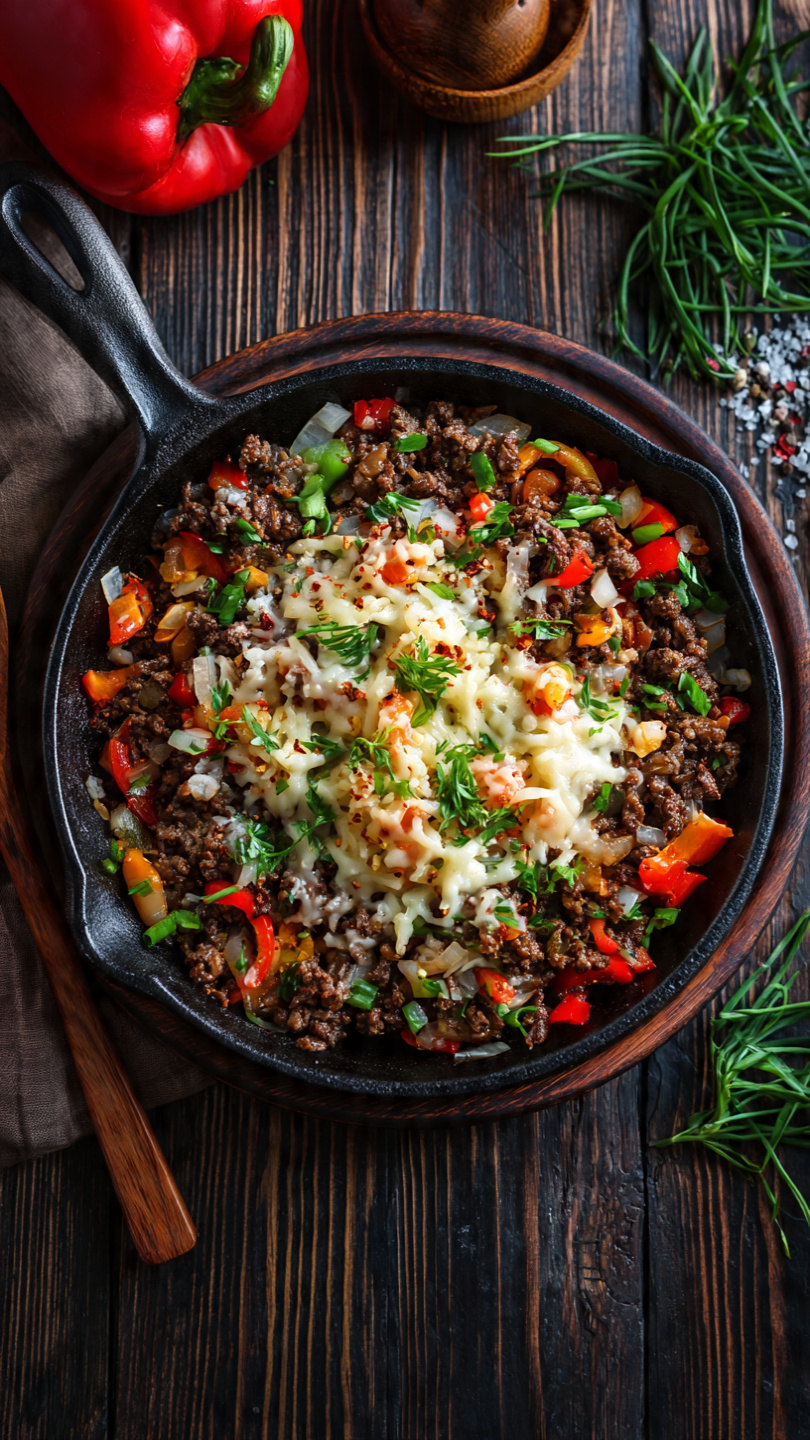
Keto Korean Ground Beef Bowl
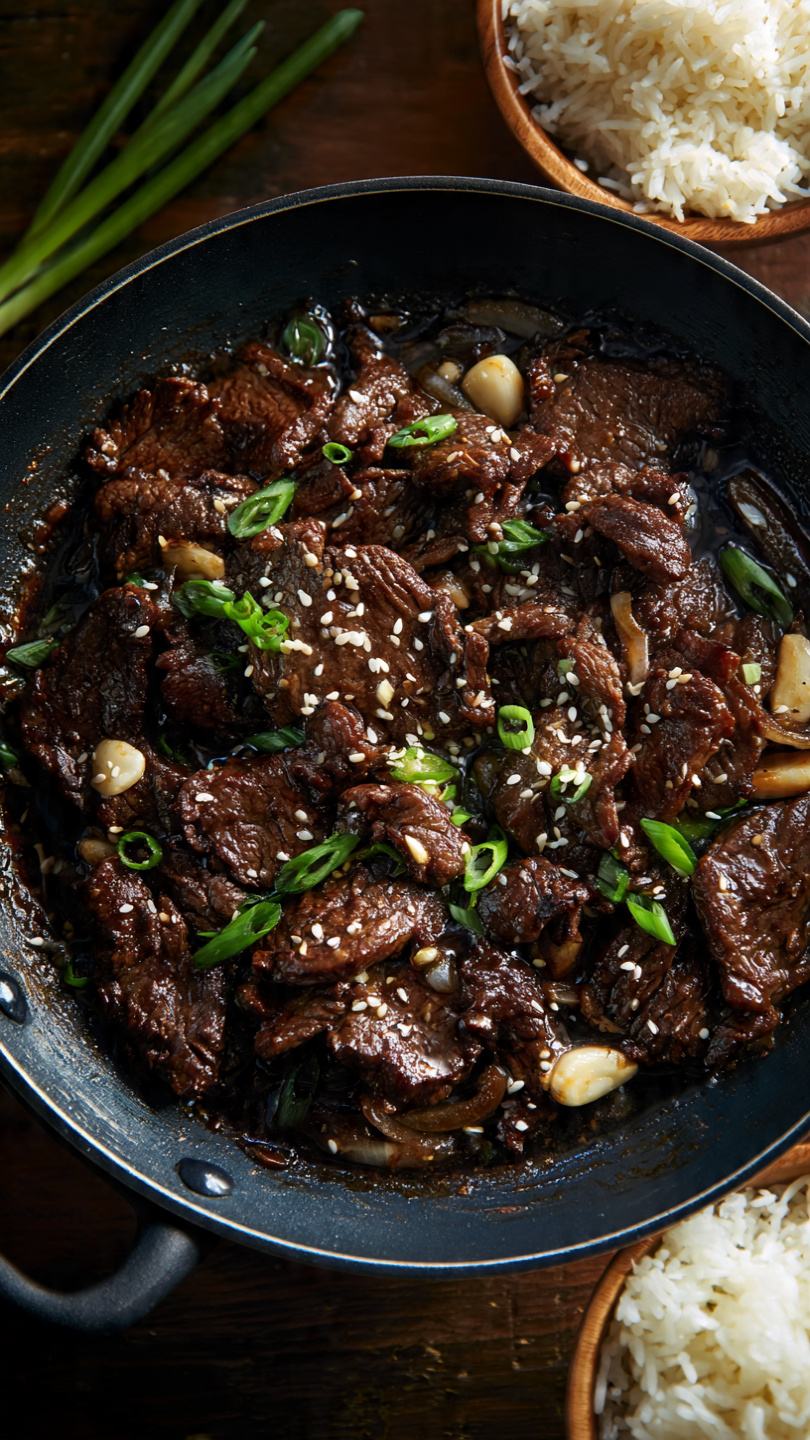
This Keto Korean Ground Beef Bowl is a bold, savory low-carb dinner ready in under 30 minutes, packed with umami-rich flavor and served over cauliflower rice for the ultimate keto beef bowl.

The Keto Korean Ground Beef Bowl You Will Make on Repeat
Some weeknight dinners just hit differently, and this Keto Korean Ground Beef Bowl is exactly that kind of recipe. It is savory, slightly sweet, a little spicy, and deeply satisfying without a single grain of rice in sight. If you have been searching for bold keto beef bowl recipes that do not taste like a compromise, this is the one that is going to win you over.
Inspired by the flavors of Keto Korean Beef dishes like bulgogi and Korean short ribs, this recipe strips things down to what you can realistically pull off on a Tuesday night. Ground beef stands in beautifully for the traditional thinly sliced cuts, soaking up a punchy sauce built from coconut aminos, garlic, fresh ginger, and just a hint of heat. Served over fluffy cauliflower rice, this is a proper Low Carb Korean Beef Bowl that keeps you full and on track.
Using quality coconut aminos instead of regular soy sauce keeps this dish gluten-free and keto-friendly without sacrificing any of that deep umami depth. A good large skillet or wok also makes a real difference here, giving the beef enough surface area to caramelize properly instead of just steaming.
Why This Recipe Works So Well
Traditional Keto Asian Ground Beef recipes sometimes feel flat or overly salty. This version avoids both traps. Here is what makes it stand out:
- Coconut aminos bring sweetness and umami without added sugar or gluten
- Toasted sesame oil added at the sauce stage (not the cooking stage) keeps its fragrant, nutty character intact
- A small amount of erythritol or monk fruit replaces the brown sugar you would find in a classic Low Carb Korean Beef sauce, keeping carbs minimal
- Fresh garlic and ginger build layers of flavor that dried versions simply cannot match
- Finishing with gochujang (just a teaspoon) adds complexity without blowing out the heat
Chef's Tip: Do not skip draining a little of the fat after browning the beef, but leave some behind. That rendered fat carries flavor and helps the sauce cling to every bite.
Building the Perfect Keto Korean Beef Bowl
The technique here is simple but deliberate. You brown the beef hard and fast over medium-high heat so it caramelizes rather than steams. Then you let the garlic bloom directly in the pan before adding the sauce. Those two extra minutes of patience pay off enormously in the final flavor.
For the base, cauliflower rice is the obvious low-carb choice, and it genuinely works. The trick is to cook it in a dry skillet until it is slightly golden at the edges rather than boiling it, which makes it taste nutty and substantial rather than watery.
If you want to take this Keto Korean Beef Bowl up a notch, top it with a fried egg, a drizzle of sriracha mayo made with avocado oil mayo, or a handful of quick-pickled cucumbers for brightness.
Chef's Tip: This recipe doubles perfectly. Make a big batch of the beef on Sunday and you have four days of easy Keto Ground Beef Bowl lunches or dinners ready to go.
Ready to bring this Keto Korean Ground Beef recipe to life? Here is everything you need:
Keto Korean Ground Beef Bowl
This Keto Korean Ground Beef Bowl is a bold, savory low-carb dinner ready in under 30 minutes, packed with umami-rich flavor and served over cauliflower rice for the ultimate keto beef bowl.
Ingredients
- 1 1/2 lb ground beef, 80/20 blend for best flavor
- 1 tbsp sesame oil, toasted
- 3 tbsp coconut aminos, or low-sodium soy sauce if not strict keto
- 4 cloves garlic, minced
- 1 tsp fresh ginger, grated
- 1 tsp gochujang, optional, adds mild heat; check label for low-sugar variety
- 1 tsp rice vinegar, unseasoned
- 1 tsp erythritol or monk fruit sweetener, replaces traditional brown sugar
- 1/2 tsp red pepper flakes, adjust to taste
- 4 cups cauliflower rice, fresh or frozen, cooked
- 3 stalks green onions, thinly sliced, for garnish
- 1 tbsp sesame seeds, toasted, for garnish
- 1 tbsp avocado oil or neutral cooking oil, for cooking
Instruction
Cook the cauliflower rice according to package instructions or sauté fresh cauliflower rice in a dry skillet over medium-high heat for 5 to 6 minutes until tender. Season lightly with salt and set aside.
In a small bowl, whisk together the coconut aminos, sesame oil, rice vinegar, erythritol, grated ginger, red pepper flakes, and gochujang if using. Set the sauce aside.
Heat the avocado oil in a large skillet over medium-high heat. Add the ground beef and break it apart with a wooden spoon. Cook for 6 to 8 minutes, stirring occasionally, until fully browned and no pink remains.
Drain any excess fat if desired, leaving a small amount in the pan for flavor.
Add the minced garlic to the beef and cook for 1 minute, stirring constantly, until fragrant.
Pour the sauce over the beef mixture and stir well to combine. Cook for 2 to 3 minutes more until the sauce is absorbed and slightly caramelized.
Divide the cauliflower rice evenly among four bowls. Spoon the Korean beef mixture generously over the top.
Garnish each bowl with sliced green onions and toasted sesame seeds. Serve immediately.
Equipment
- Large skillet or wok
- Small mixing bowl
- Whisk
- Wooden spoon or silicone spatula
- Cutting board and chef's knife
- Box grater or microplane (for ginger)
Notes
Serving, Storing, and Variations
This bowl is incredible as written, but it is also a fantastic base for creativity. Here are a few easy ways to make it your own:
- Add vegetables: Stir in baby spinach, shredded cabbage, or sliced mushrooms right after the garlic for extra volume and nutrients
- Make it spicier: Double the gochujang or add a teaspoon of chili garlic sauce
- Low Carb Korean Short Ribs variation: Use the same sauce on bone-in short ribs and braise low and slow in the oven at 300 degrees F for 3 hours for a weekend showstopper
- Swap the base: Zucchini noodles, shredded romaine for a cold bowl, or even a simple bed of sautéed bok choy all work beautifully
Store leftovers in airtight containers in the fridge for up to 4 days. The beef filling freezes well for up to 2 months, making this one of the most meal-prep-friendly Keto Asian Ground Beef Recipes in your rotation.