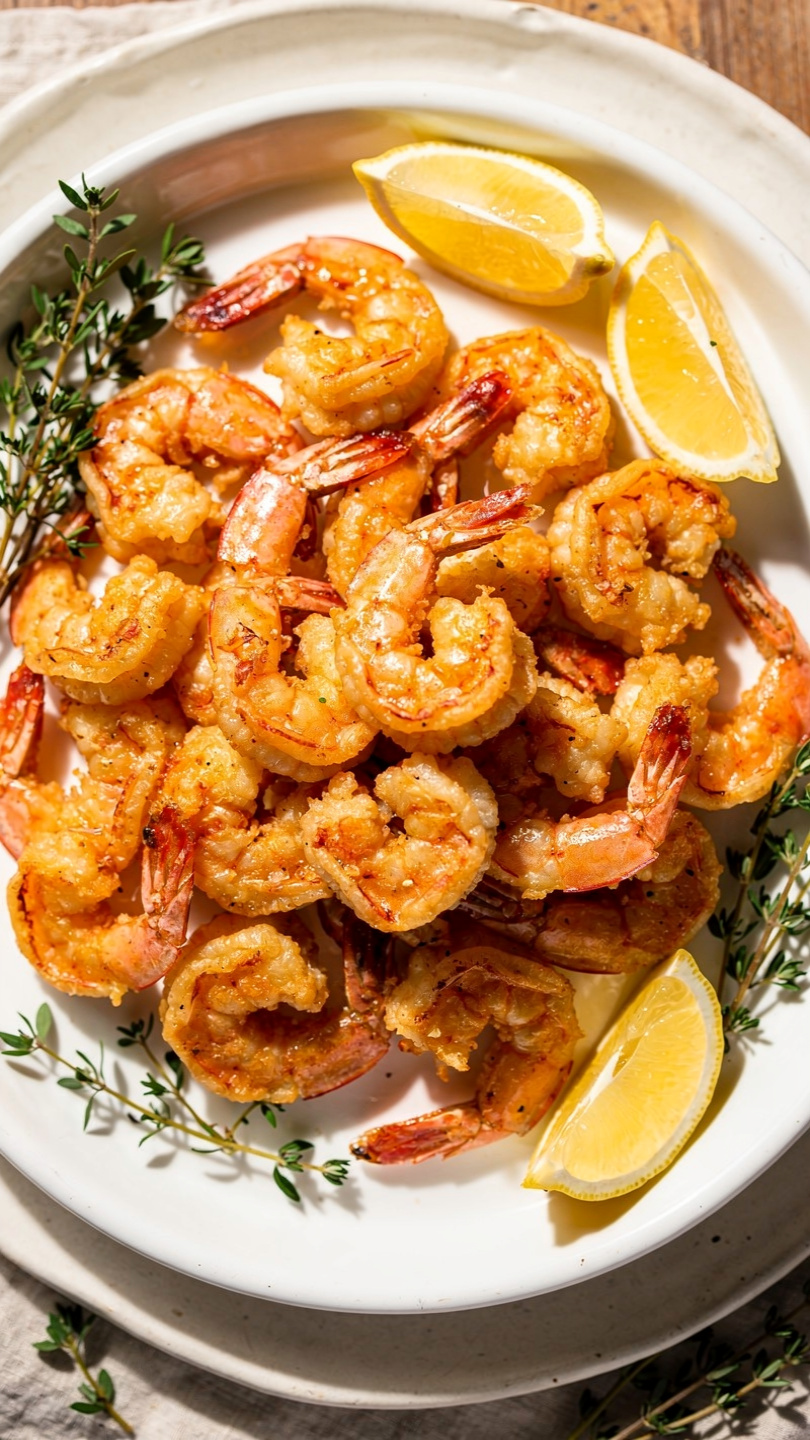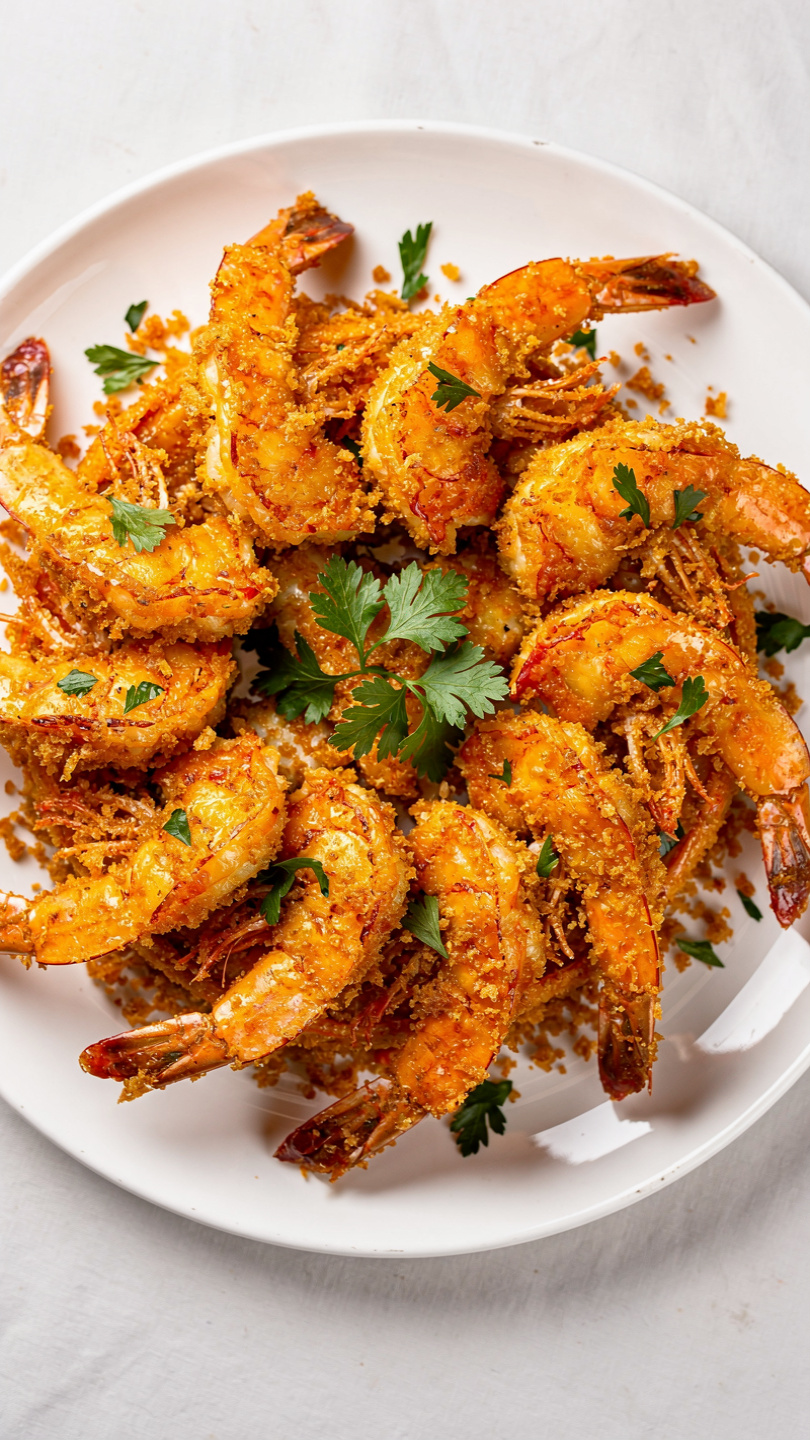
Shrimp De Jonghe (Classic Chicago Baked Shrimp Recipe)
Shrimp De Jonghe is a legendary Chicago classic featuring tender shrimp baked under a blanket of buttery, garlicky, herb-laced breadcrumbs. Easy to make and impossibly delicious, this is the retro recipe you need to try tonight.

The Legendary Chicago Shrimp Recipe You Have Been Missing
If you have never heard of Shrimp De Jonghe, you are about to be introduced to one of the most underrated recipes in American culinary history. This is a dish that deserves a serious comeback, and once you taste it, you will completely understand why.
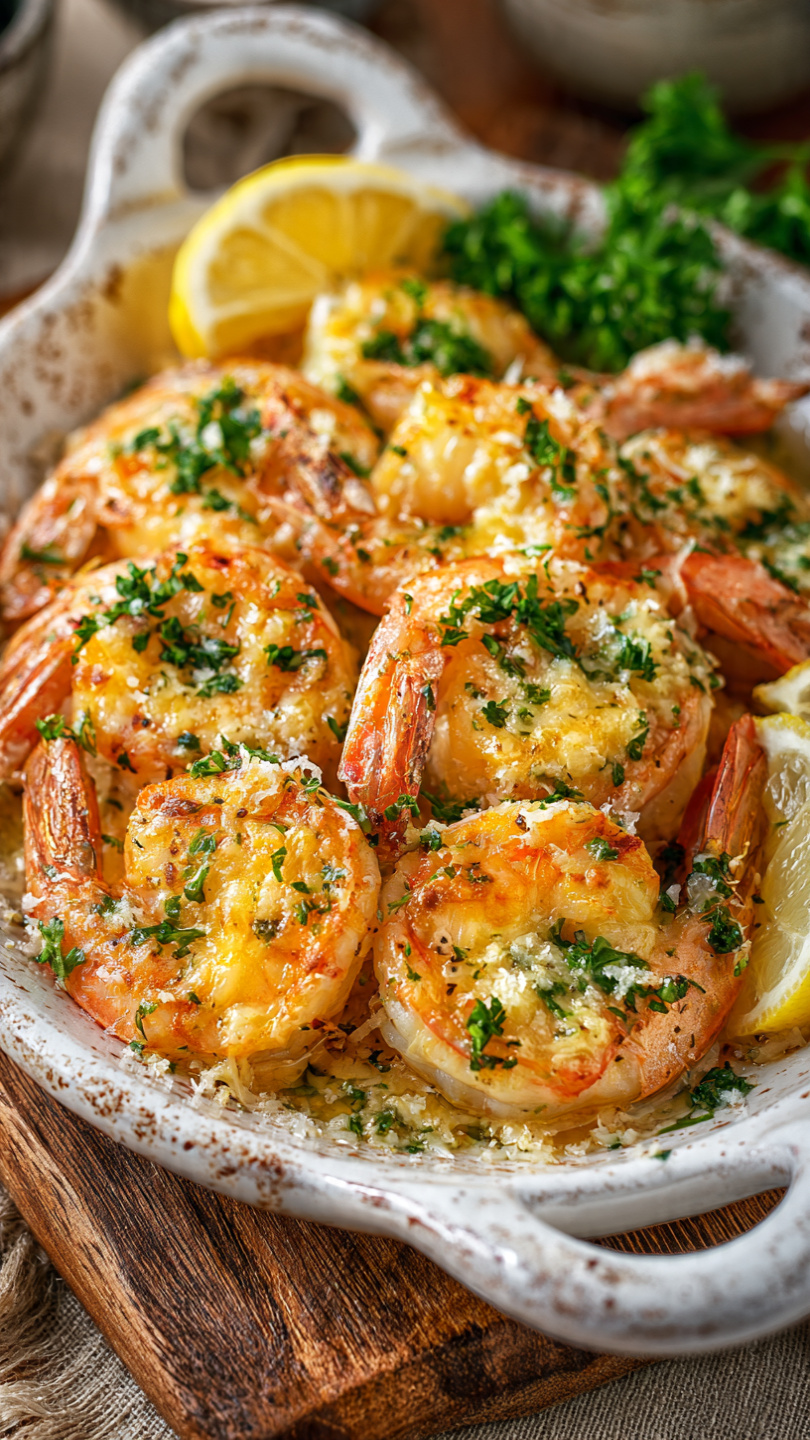
Shrimp De Jonghe (pronounced "de JOHN-gee") is a Chicago original, born sometime around 1900 at the De Jonghe Hotel and Restaurant on Monroe Street. The dish is beautifully simple: plump, tender shrimp baked under a thick, golden crust of herbed garlic butter and breadcrumbs, perfumed with dry sherry and a bouquet of classic French herbs. It is rustic and elegant at the same time, the kind of recipe that feels both deeply comforting and genuinely special.
Whether you found your way here searching for a Shrimp De Jonghe recipe easy enough for a weeknight or something impressive enough for a dinner party starter, this version delivers on every front.
What Makes This Recipe So Good
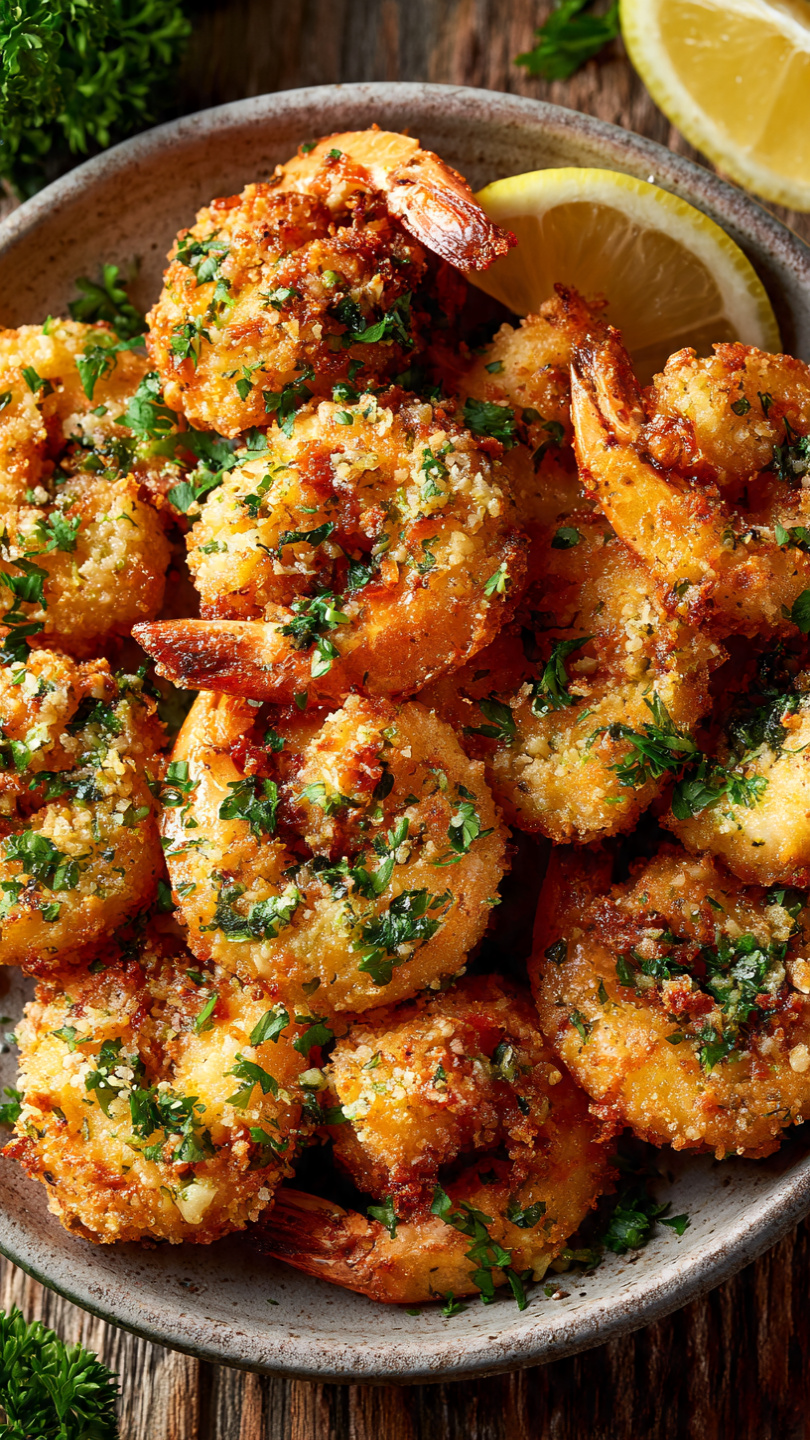
The magic of Shrimp De Jonghe is entirely in the butter mixture. This is not just a breadcrumb topping tossed over some shrimp. It is a compound butter loaded with garlic, fresh parsley, tarragon, thyme, marjoram, a whisper of cayenne, and a generous splash of dry sherry. When it hits the oven, the butter melts down through the shrimp while the breadcrumbs toast into a deeply savory, golden crust on top.
Every bite gives you that contrast: silky, juicy shrimp underneath, crisp and aromatic breadcrumbs on top, and rivers of herbed butter pooling beneath everything. It is the kind of dish that makes people reach for extra bread without even thinking about it.
The key details that make this recipe shine:
- Use large or jumbo shrimp. They hold up to the oven heat and stay juicy inside.
- Softened butter is non-negotiable. It needs to blend smoothly with the herbs and sherry.
- Dry sherry, not sweet. The sherry adds a nutty, complex depth that no other ingredient can quite replicate.
- Fine dry breadcrumbs, not panko. Traditional panko is too coarse here. Fine crumbs bond with the butter and create a tighter, more even crust.
Chef's Tip: Do not skip patting the shrimp dry before assembling. Excess moisture will steam rather than roast the shrimp, and you will lose that beautiful golden topping.
The Right Tools and Ingredients Matter
For a recipe this simple, the quality of your butter and shrimp really does make a noticeable difference. Using a good heavy baking dish or individual gratin dishes will also help the topping brown evenly and keep the shrimp from drying out at the edges.
A Brief History of Shrimp De Jonghe
Understanding where this dish comes from makes it taste even better. The De Jonghe Hotel was run by Belgian brothers who immigrated to Chicago, and their restaurant became a gathering spot for Chicago's most prominent citizens in the early twentieth century. The shrimp recipe was so beloved that it was reportedly a closely guarded secret for decades.
Food historians consider Shrimp De Jonghe to be one of the oldest original restaurant recipes in American cuisine. It predates the kind of culinary fusion and technique-forward cooking we associate with American restaurants today, and there is something wonderful about that. This is a dish invented by immigrants who brought classical European sensibilities to an American city and created something entirely their own.
You might also see this dish referenced as Shrimp Imperial or encounter variations described as shrimp Dijon recipes, though those are distinct dishes. Shrimp De Jonghe stands alone with its signature sherry and herb butter profile.
Tips for Perfect Results Every Time
On the sherry: Dry sherry is a defining ingredient here. If you absolutely cannot find it, dry vermouth is the best substitute. Avoid cooking wines sold in the vinegar aisle, which are loaded with salt and will throw off the balance entirely.
On the herbs: The combination of parsley, tarragon, thyme, and marjoram is what makes this taste distinctly old-world and elegant rather than generic. Do not be tempted to reduce it to just parsley and garlic. The layering of herbs is the soul of the recipe.
On serving: Shrimp De Jonghe is traditionally served as an appetizer, exactly as it appeared on the De Jonghe Restaurant menu. But there is absolutely nothing stopping you from serving it as a light main course with a crisp green salad and a cold glass of white wine.
Warning: Have plenty of crusty bread ready before you put this in the oven. The garlicky, sherry-scented butter that pools in the bottom of the dish is one of the greatest things you will ever drag a piece of bread through.
How To Make Shrimp De Jonghe
This recipe comes together in about 40 minutes start to finish, making it genuinely achievable on a weeknight while still being impressive enough for guests. The assembly is simple: build the herb butter, fold in the breadcrumbs, spread it over the shrimp, and bake until golden. That is really all there is to it.
Ready to make the best Shrimp De Jonghe of your life? Here is the complete recipe:
Shrimp De Jonghe (Classic Chicago Baked Shrimp Recipe)
Shrimp De Jonghe is a legendary Chicago classic featuring tender shrimp baked under a blanket of buttery, garlicky, herb-laced breadcrumbs. Easy to make and impossibly delicious, this is the retro recipe you need to try tonight.
Ingredients
- 2 lb large shrimp, peeled and deveined, tails removed
- 3/4 cup unsalted butter, softened to room temperature
- 6 garlic cloves, finely minced
- 3/8 cup dry sherry, cooking sherry works fine
- 3/8 cup fresh flat-leaf parsley, finely chopped
- 1/2 tsp dried tarragon
- 1/4 tsp dried thyme
- 1/4 tsp dried marjoram
- 1/8 tsp cayenne pepper, or more to taste
- 3/4 tsp kosher salt
- 1/4 tsp black pepper, freshly ground
- 1 cup plain dry breadcrumbs, fine, not panko
- 1/4 cup Parmesan cheese, freshly grated
- 1 crusty bread or baguette, sliced, for serving
Instruction
Preheat your oven to 400 degrees F (200 degrees C). Lightly butter a 9x13-inch baking dish or six individual gratin dishes.
Pat the shrimp completely dry with paper towels. Arrange them in a single layer in the prepared baking dish and set aside.
In a large mixing bowl, combine the softened butter, minced garlic, dry sherry, chopped parsley, tarragon, thyme, marjoram, cayenne, salt, and black pepper. Beat together with a fork or hand mixer until everything is well blended and creamy.
Add the breadcrumbs and grated Parmesan to the butter mixture. Stir until the crumbs are evenly coated and the mixture resembles a thick, crumbly paste.
Drop the breadcrumb mixture over the shrimp in large spoonfuls, then spread and press it gently into an even layer that covers the shrimp completely.
Bake uncovered for 20 to 25 minutes, until the topping is deep golden brown and the shrimp are cooked through and pink. If the top needs more color in the final 2 minutes, switch the oven to broil and watch closely.
Remove from the oven and let rest for 3 minutes. Garnish with extra chopped parsley and serve immediately with crusty bread to soak up every drop of the garlicky butter.
Equipment
- 9x13-inch baking dish or six individual gratin dishes
- Large mixing bowl
- Fork or hand mixer
- Chef's knife and cutting board
- Paper towels
- Microplane or box grater
Notes
Serving, Storing, and Variations
Serving suggestions: Shrimp De Jonghe is best served straight from the oven while the topping is at peak crispness. Pair it with a dry white wine such as Chablis or a crisp Sauvignon Blanc. A simple arugula salad dressed with lemon and olive oil makes a perfect counterpoint to the richness.
Make it a main course: Serve over buttered linguine, creamy polenta, or stir the shrimp and pan juices through a bowl of orzo for a complete and deeply satisfying dinner.
Storing leftovers: Refrigerate in an airtight container for up to 2 days. Reheat in a 325 degree F oven for 8 to 10 minutes. The microwave will make the shrimp rubbery, so give the oven method the few extra minutes it takes.
Variations worth trying: Some cooks add a squeeze of fresh lemon juice over the shrimp before topping them. Others fold finely grated Gruyere into the breadcrumb mixture alongside the Parmesan for an even richer crust. Both are excellent choices that stay true to the spirit of the original.