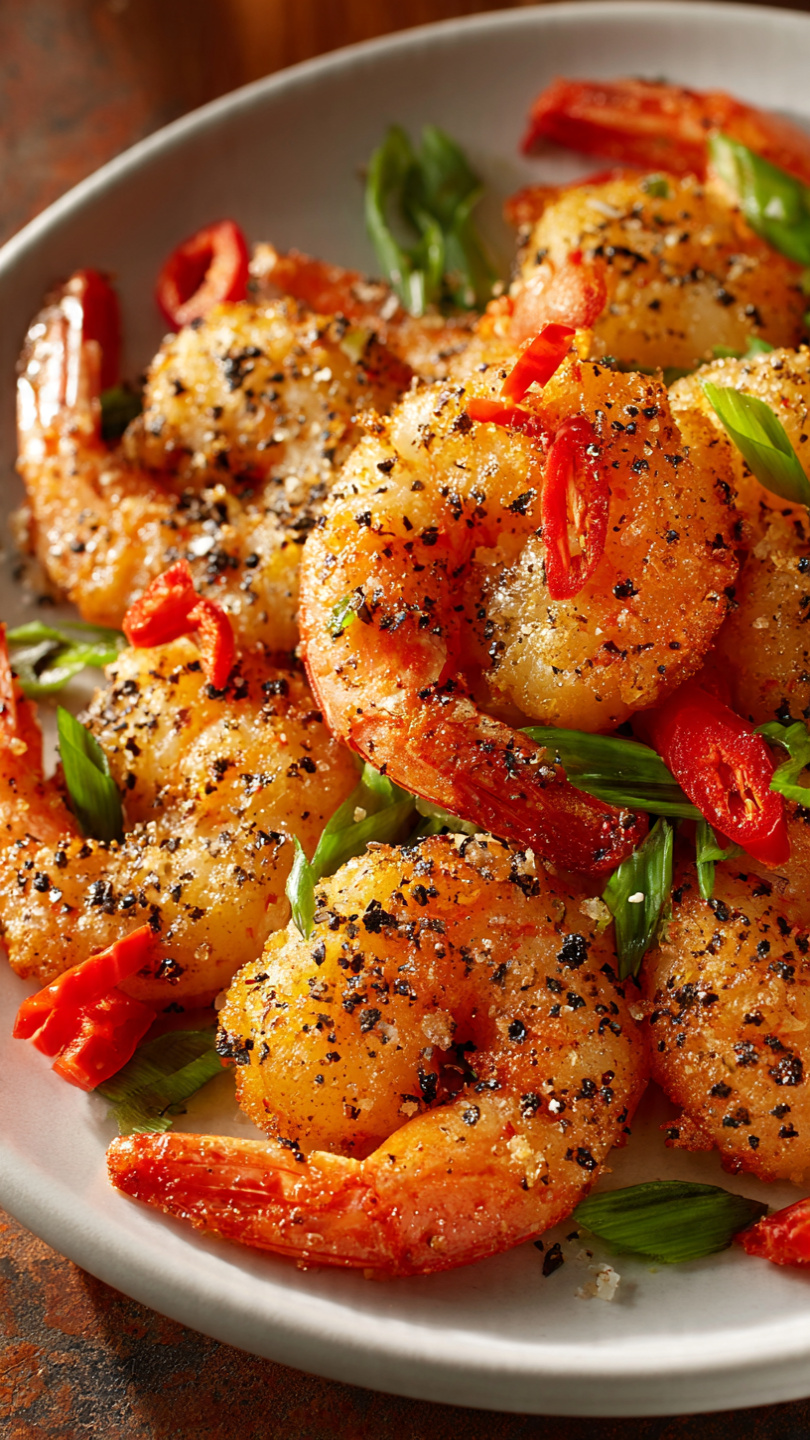
Salt and Pepper Shrimp (Chinese Restaurant-Style)
This Chinese salt and pepper shrimp recipe delivers crispy, golden shrimp tossed in a fragrant mix of garlic, chilies, and toasted spices — ready in under 30 minutes and better than takeout.

The Crispiest Chinese Salt and Pepper Shrimp You Will Ever Make at Home
If you have ever ordered salt and pepper shrimp at a Chinese restaurant and spent the entire drive home thinking about it, you are in exactly the right place. This dish has a way of doing that. The shrimp arrive at the table shatteringly crisp, glossy with garlic and chili, and dusted in that intoxicating blend of salt and white pepper that makes it genuinely impossible to stop eating.
The good news is that this classic Chinese salt and pepper shrimp recipe is surprisingly approachable at home. It does not require a professional wok burner or a culinary degree. What it does require is a little technique, the right ingredients, and about 30 minutes of your time.
Why This Recipe Actually Works
Most home attempts at Asian salt and pepper shrimp fall flat for one of two reasons: soggy coating or garlic that burns before the shrimp even hit the pan. This recipe solves both.
The cornstarch coating with a touch of egg white creates a delicate, glassy crust that fries up properly crisp even in a home kitchen. White pepper, not just black, is non-negotiable here. It has a floral, almost funky heat that is completely different from black pepper and is the backbone of authentic Chinese salt and pepper shrimp.
Frying the shrimp first in small batches, then tossing them quickly with the garlic and chilies in residual oil, means the aromatics bloom fast and stay bright rather than turning bitter.
Chef's Tip: White pepper is the secret weapon in this dish. Buy it pre-ground or invest in a dedicated grinder. The difference between freshly ground white pepper and the stuff that has been sitting in a tin for two years is enormous.
Head-On or No Shell? Here Is the Truth
Traditional Asian head-on shrimp recipes use the whole shrimp, shells and heads included. When fried at the right temperature, the shells turn paper-thin and completely edible, adding another layer of crunch that peeled shrimp simply cannot replicate.
That said, shell-off shrimp work beautifully and are far more practical for weeknight cooking. The key trade-off is texture versus convenience. For a dinner party impression, go head-on. For a fast weeknight salt and pepper shrimp recipe Chinese takeout night at home, peeled is perfectly fine.
Either way, the most important prep step is the same: dry the shrimp thoroughly. Press them between paper towels and let them sit uncovered for 5 minutes if you have time. Moisture is the enemy of a crispy crust.
Ingredients That Make a Difference
For a dish this simple, ingredient quality carries real weight. The right wok, the right oil, and especially the right white pepper can completely change the outcome.
These are the tools and pantry staples that genuinely make a difference when you are cooking this recipe at home:
The Frying Temperature Is Everything
For properly crispy salt and pepper shrimp no shell (or shell-on), your oil needs to be at 375 degrees F (190 degrees C) before the first shrimp goes in. Too cool and the coating absorbs oil instead of crisping. Too hot and the outside burns before the shrimp cooks through.
If you do not own a thermometer, the chopstick test works well: dip a wooden chopstick into the oil and if bubbles stream up around it steadily, you are in range.
Fry in two batches, never one. Crowding the pan drops the oil temperature immediately and you will end up with steamed, soggy shrimp instead of the crackling result you are after.
Warning: Be careful when adding the shrimp to hot oil. Hold them close to the surface and release gently to avoid splashing.
Building the Aromatic Finish
This is where the dish goes from fried shrimp to something genuinely special. After the shrimp are fried and draining on a rack, you use just a tablespoon of the leftover oil to flash-cook the garlic, chilies, and white parts of the green onions.
- Chilies add brightness and a gentle heat. Fresno chilies give color with moderate spice. Thai chilies bring serious fire.
- Garlic needs only 30 seconds on high heat. Keep it moving constantly.
- The toss at the end should be fast and confident. Thirty to ninety seconds in the wok is all you need to coat every shrimp.
This technique is the heart of the Chinese salt and pepper shrimp recipe and what separates it from plain fried shrimp.
Ready to make it? Here is the full step-by-step recipe card:
Salt and Pepper Shrimp (Chinese Restaurant-Style)
This Chinese salt and pepper shrimp recipe delivers crispy, golden shrimp tossed in a fragrant mix of garlic, chilies, and toasted spices — ready in under 30 minutes and better than takeout.
Ingredients
- 1 1/2 lb large shrimp, head-on or peeled, deveined, shells on or off depending on preference
- 1/2 cup cornstarch
- 1 1/2 tsp kosher salt, plus more to taste
- 1 tsp white pepper, freshly ground preferred
- 1/2 tsp black pepper, freshly ground
- 1/4 tsp five-spice powder, optional but recommended
- 2 cups neutral oil, vegetable, canola, or peanut oil for frying
- 6 garlic cloves, minced
- 3 fresh red or green chilies, thinly sliced; Fresno or Thai chilies work great
- 4 green onions, thinly sliced, white and green parts separated
- 1 large egg white, lightly beaten
- 1/2 tsp sesame oil, for finishing, optional
Instruction
Pat the shrimp completely dry with paper towels. This is the single most important step for achieving a crispy crust.
In a large bowl, whisk together the cornstarch, salt, white pepper, black pepper, and five-spice powder (if using). Add the egg white and toss the shrimp in the mixture until every piece is evenly coated.
Pour the neutral oil into a wok or deep heavy-bottomed skillet and heat over high heat until it reaches 375 degrees F (190 degrees C). If you do not have a thermometer, test with a wooden chopstick: bubbles should form immediately around it.
Working in two batches to avoid crowding, fry the shrimp for 2 to 3 minutes, turning once, until the coating is golden and just crisp. Transfer to a wire rack or paper towel-lined plate.
Carefully pour off most of the oil from the wok, leaving about 1 tablespoon behind. Return the wok to high heat.
Add the white parts of the green onions and the chilies. Stir-fry for 30 seconds until fragrant. Add the minced garlic and cook for another 30 seconds, stirring constantly so the garlic does not burn.
Return all the fried shrimp to the wok. Toss vigorously for 60 to 90 seconds so every shrimp is coated in the aromatic mixture.
Remove from heat, drizzle with sesame oil if using, and toss in the green parts of the sliced green onions. Taste and adjust salt or white pepper as needed.
Transfer to a serving plate immediately and serve hot.
Equipment
- Wok or large deep skillet
- Instant-read or deep-fry thermometer
- Wire rack or paper towel-lined plate
- Spider strainer or slotted spoon
- Large mixing bowl
- Paper towels
Notes
Serving and Pairing Suggestions
Salt and pepper shrimp is stunning served immediately, straight from the wok onto a platter lined with shredded lettuce or sliced cucumbers for contrast.
For a complete meal, pair it with:
- Steamed jasmine rice to soak up the seasoned bits
- Stir-fried bok choy or gai lan for a vegetable counterpoint
- Cold Tsingtao beer or a dry Riesling if you are entertaining
For a party spread, serve the shrimp in small paper cones or on a slate board with extra sliced chilies and a wedge of lime on the side. It disappears fast.
Make It Your Own
Once you have the base recipe dialed in, this dish is endlessly adaptable.
- Swap the protein: The same cornstarch coating and seasoning blend works brilliantly on squid rings, soft-shell crab, or firm tofu for a vegetarian version.
- Adjust the heat: Use jalapeños for mild, Fresno for medium, or Thai bird chilies for genuine fire.
- Add citrus: A squeeze of lime over the finished dish right before serving brightens everything up.
However you make it, this is the kind of recipe you will find yourself coming back to again and again. It is fast, deeply flavorful, and every single time it hits the table, someone will ask you for the recipe.